How Often Should You Get Balayage? A Realistic Maintenance Guide

Hair Color · Maintenance

Every six weeks, every six months, or somewhere in between. Which appointment to book, and when.

By Laura Khesin, Society Beauty Bar · Updated October 2026

Your colorist said come back in twelve weeks.

Your sister goes every six.

A video you watched last night swore balayage lasts six months.

All three can be right. They’re describing three different heads of hair.

Most balayage gets a color refresh every three to four months. Where yours lands in that range was decided the day it was painted: how close to your part the brightness starts, how much it contrasts with your natural color, and which toner went on top.

And when it starts looking tired, a full balayage is rarely the only appointment that will fix it.

How often should you get balayage done?

For most guests, every three to four months for color, with a gloss in between. The range is wide because “balayage” covers a lot of different looks.

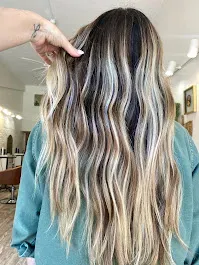
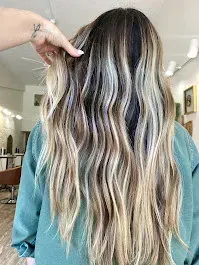
Soft brunette balayage. Caramel or toffee pieces on a brown base, painted an inch or more below your part. New growth matches the brown that’s already there, so many guests go four to six months between color appointments.

Bright blonde balayage. A lot of lightness, often painted up near the scalp and toned cool. This is the version that shows its age first. Plan on seeing your colorist every eight to ten weeks, sometimes for a full appointment and sometimes for something smaller.

Balayage with a root melt. Your colorist blends a shade close to your natural color at the scalp, so the brightness fades in below it. This is the most common way blonde balayage guests stretch toward three or four months.

So where do the six-week and six-month numbers come from?

Six weeks is a highlight schedule. Traditional foils start right at the scalp, so the regrowth line shows fast. Our comparison of how balayage and highlights grow out differently lays the two side by side.

If you’ve been booked every six weeks for balayage, it’s fair to ask your colorist why. Sometimes there’s a good reason, like very bright blonde or hair that grows fast. Sometimes the brightness was placed close enough to the root that it grows out like highlights.

Six months is real for some people. Usually that’s a brunette with soft, low-contrast pieces who doesn’t mind her color getting a little quieter by month five. For bright blonde, six months usually means living with a visible root and a warmer tone for the last two of them.

Why is your balayage schedule decided before the color goes on?

Placement, contrast and toner set the clock, and all three are chosen at your first appointment. The visits afterward follow whatever was built in.

Two guests sit down the same morning. Both have medium brown, shoulder-length hair with no previous color. Both want to be noticeably brighter.

The first guest wants brightness starting right at her part, toned a cool beige. It looks great that afternoon. By week eight, there’s a band of brown at the root and the beige has warmed up.

The second guest gets the same brightness through her lengths. Her colorist blends a soft root and picks a toner closer to her hair’s natural warmth. At week eight, she looks about the way she did at week two.

Same hair. Same salon. The first guest is on an eight-to-ten-week rotation. The second can plan on three or four color visits a year.

Neither choice is wrong. The first guest gets brightness right at her part and trades extra appointments for it. The trouble starts when nobody mentions that trade until week six.

For the longer explanation of root contrast, see the lowest-maintenance color for your hair.

What appointments are on a balayage maintenance menu?

Five: a full balayage, a partial refresh, a mini or face-frame refresh, a gloss and a trim. Most “my balayage needs redoing” moments call for one of the smaller four.

A lot of guests assume maintenance means painting the whole head again. That’s the most expensive appointment on the menu, and often not the one you need.

Full balayage. Your colorist rebuilds brightness through your whole head, front to back. Book it when the brightness has faded or grown down everywhere, including underneath.

Partial refresh. Brightness goes back on the top, the crown and around your face. That’s the hair you see in the mirror and everyone else sees across the table. The underneath is left alone. Partials often alternate with fulls.

Mini or face-frame refresh. Only the pieces around your face. If face-framing brightness is most of your look, this can be your main appointment.

Gloss. A gloss refreshes tone and shine on the color you already have. It doesn’t lighten hair or cover gray. When balayage looks dull or brassy but the brightness is still sitting where it should, a gloss is often the fix.

Trim. Your ends hold the lightest, most-processed hair, and they show wear first. Taking off the dry ends can make balayage look fresher without any new color.

Balayage maintenance menu at Society Beauty Bar
AppointmentWhat it doesTypical timingStarting price (Stylist / Senior)
Full balayageRebuilds brightness through the whole headEvery 3–6 months, depending on placement and toneFull balayage/foil work starts at $250 / $275
Partial refreshRe-brightens the top, crown and face-framingBetween full appointments, or alternating with themPartial balayage/foil work starts at $200 / $230
Mini or face-frame refreshRe-brightens the pieces around your faceEvery 6–10 weeks if face-framing is your main lookMini balayage/foil work starts at $165 / $185
GlossRefreshes tone and shine; no lightening, no gray coverageAround the midpoint between color appointmentsAsk salon for current price
TrimRemoves the driest, most-processed endsEvery 8–12 weeksBooked as a haircut, starts at $75 / $90

Timing is typical, not guaranteed. Growth rate, placement, toner and your routine at home all move it. Prices are starting prices from Society’s services page, checked October 2026. Final price depends on length, density, color history and stylist level.

Not sure which size your next refresh should be? Our guide to the difference between mini, partial and full balayage shows how much hair each one covers. For what moves a quote up or down, see what each balayage appointment costs in the Boston area.

What does a year of balayage maintenance look like?

Most guests book three to five color appointments a year, plus two to four glosses. The brighter the balayage, the more of each.

Here are three sample years, counted from the month of the first appointment.

  • Full balayage
  • Partial or mini refresh
  • Gloss
Sample 12-month balayage plans
Guest M1M2M3M4M5M6 M7M8M9M10M11M12
Soft brunette balayage FullGlossPartial GlossFullGloss
Bright blonde balayage FullGlossPartialGlossFull GlossPartialGlossFull
Face-framing only MiniMiniMini MiniMiniMini

Examples, not prescriptions. Soft brunette: 3 color visits and 3 glosses. Bright blonde: 5 color visits and 4 glosses. Face-framing only: 6 short mini visits. Trims can ride along with any color appointment. Your colorist will build your plan around your hair, your budget and your calendar.

Some guests would rather come in more often for smaller appointments. Others want two or three longer visits a year and nothing in between. Tell your colorist which kind of guest you are, and she can build the year around it.

What makes balayage need attention sooner?

Anything that fades your toner or brings your regrowth into view. These are the common ones.

  • Sun and chlorine. A summer on the Cape, lake weekends, laps in the pool. Sun and chlorine both pull tone out of lightened hair, and blonde shows it first. If your balayage came home in September a shade warmer than it left in June, this is usually why.
  • High heat every day. Daily flat-ironing or curling at high heat can speed up toner fading.
  • Frequent washing. Every wash takes a little toner with it. A guest who washes daily usually sees her tone shift sooner than one who washes twice a week.
  • Fast-growing hair. Hair grows roughly half an inch a month. If yours grows faster, your root shows sooner.
  • Brightness placed close to the root. The closer the lightness starts to your part, the sooner new growth stands out against it.
  • A cool toner on warm hair. Very cool, beige or ash blonde on hair with a lot of natural warmth underneath tends to drift back toward warm faster. Ask your colorist how far your shade sits from what your hair wants to do.

If you’ll be away for most of July, book your gloss for the week you get back, not the week before you leave. The fresh tone lasts into fall instead of fading on vacation.

How can you stretch time between balayage appointments?

Build the stretch in at your first appointment, then protect it with a midpoint gloss, regular trims and a color-safe routine at home.

Ask for a soft root. A root melt or root smudge gives your new growth somewhere to blend. It’s the idea behind lived-in color. If you like the precision of foils, a foiled blend can do the same job. Amanda G. lists foil work with seamless blends for blondes and brunettes as her specialty.

Book the gloss when you book the color. Put it on the calendar at the halfway point before you leave the salon. A gloss you plan for happens. A gloss you’ll get to eventually turns into a full balayage.

Keep trims on schedule. Dry ends make the whole head look older than it is.

Go gentle at home. Color-safe shampoo, fewer washes when you can manage it and a lower heat setting all slow down fading. Here’s a home routine that protects your color in a few minutes a day.

If your balayage looks brighter in the salon than it does by day three at home, part of that is styling. Here’s why your balayage looks different at home and how to close the gap.

What happens if you wait too long?

Usually nothing that can’t be fixed. You’ll often need a bigger appointment than you would have booked on time.

As your hair grows, the brightness that sat near your face and part moves down. Your root gets wider. Toner fades, and your ends start to look warmer and drier.

A partial you’d have booked at week twelve may become a full at week twenty. Waiting rarely ruins balayage, but it usually moves you up a size on the menu.

If life got in the way and you’re well past due, say so when you book. Your colorist would rather plan a longer appointment than find out once you’re in the chair.

How do you set a maintenance plan with your colorist?

Bring three answers to your consultation: how many times a year you’ll come in, roughly what you want to spend over the year and any dates coming up. Your colorist builds the color around those answers.

Your number of visits. The number you’ll really keep, not the one you think you’re supposed to say.

Your yearly budget. Think per year, not per visit. Knowing the yearly number lets your colorist decide where a partial or a gloss can stand in for a full.

Your dates. A wedding, a reunion, summer travel, family photos. Your colorist can work backward from them so you’re freshly done when it counts.

At Society Beauty Bar in Arlington Heights and Belmont Center, we set that schedule with you at the first appointment, before anything is mixed.

Plan your balayage schedule with a Society colorist

Colorists whose profiles list lived-in color include Angela I. and Marisa C., and Erin G. specializes in lived-in blondes. Not sure who fits? Our Find Your Stylist tool matches you by hair type, goals and personality.

New to Society? Start with a new guest color consultation so a colorist can see your starting color, history and inspiration photos. Already a guest? Book your next refresh at our Arlington Heights or Belmont Center salon.

Frequently asked questions

Can you go six months between balayage appointments?

Some guests can. Six months works best for soft, low-contrast balayage on brunette hair, painted well below the root, with a gloss in between. Bright blonde balayage usually shows its root and a warmer tone well before then. Your colorist can tell you at your first appointment whether your placement is built for a long stretch.

Do I need toner every time I get balayage?

Most lightened balayage is toned at the same appointment so the brightness lands on the shade you asked for. Between color appointments, a gloss can refresh that tone without lightening more hair. Whether you need toner at every visit depends on how far your hair was lightened and the shade you want.

Is a partial balayage refresh cheaper than a full one?

Yes. At Society Beauty Bar, partial balayage/foil work starts at $200 with a Stylist and $230 at the Senior level, compared with $250 and $275 for a full. A partial re-brightens the top, crown and face-framing and leaves the underneath alone. Final price depends on length, density and color history.

What happens if I wait too long to refresh my balayage?

Your root gets wider, the brightness moves down as your hair grows, and the toner fades warmer. None of that ruins your balayage. It usually means your next appointment needs to be bigger, often a full instead of a partial, to rebuild brightness where it used to sit.

Prices verified against societybeautybar.com/services on October 19, 2026.

Balayage vs. Highlights: Which Hair Color Service Is Right for You?

Hair Color · Decision Guide

Two techniques, two very different maintenance schedules. Here’s how to tell your colorist what you actually want.

You’ve got a photo saved on your phone. Soft, sunlit color that moves when she turns her head. You bring it to your consultation and ask, “Can I get this?” Your colorist looks at the photo, looks at your roots, and asks a question back: “Balayage or highlights?”

You didn’t know there was a choice to make. Most people don’t, until they’re sitting in the chair.

Quick Answer

Balayage is hand-painted color that fades gently into your natural shade, so it grows out soft and needs a salon visit roughly every 10 to 16 weeks. Highlights use foils for a more uniform, brighter result that holds its pattern longer, but shows a visible root line sooner, usually every 6 to 8 weeks. Want low upkeep and dimension? Balayage. Want maximum brightness or full gray coverage? Highlights.

The rest of this guide breaks down exactly why, so you can walk into your next consultation already speaking the same language as your colorist.

What’s the actual difference between balayage and highlights?

Highlights are foiled. Your colorist sections your hair, isolates each section with foil, and saturates it with lightener from root to tip. The result is controlled and consistent — every foiled section lifts to roughly the same level.

Balayage is hand-painted, freehand, with no foil separating each section from your natural color underneath. Your colorist sweeps lightener onto the surface of your hair in a pattern that mimics where the sun would naturally hit — heavier at the ends, lighter near the root. That’s what creates the soft, blended look instead of stripes.

Neither one is “better.” They’re built to do different jobs.


Balayage vs. highlights, side by side

Here’s how the two stack up on the factors that actually change your day-to-day experience with your hair.

Factor Balayage Highlights
Application Hand-painted freehand, no foil separation Sectioned and foiled for full saturation
Result Soft, sun-kissed, dimensional Brighter, more uniform, higher contrast
Grow-out Blends into your natural root Visible line of demarcation at the root
Maintenance frequency Every 10–16 weeks Every 6–8 weeks
Best suited for Brunettes wanting warmth, anyone wanting fewer appointments Guests wanting maximum brightness or full gray coverage
Typical appointment 2–3.5 hours, depending on length and density 2–3 hours, depending on foil count
Society starting price Starting at $[confirm current price] Starting at $[confirm current price]

Pricing varies by length, density and color history. Ask your colorist for an exact quote at consultation. [Editor: replace bracketed prices with current figures from the live service page before publishing.]

Which one requires less maintenance?

This is usually the real question underneath “which one should I get.” Grow-out is where balayage earns its reputation as the low-maintenance option.

Typical weeks between salon visits
Balayage10–16 weeks
Highlights6–8 weeks
Ranges vary by starting color, desired brightness and how much regrowth contrast you’re comfortable seeing.

The reason comes back to placement. Highlights lighten hair close to the root, so as your natural color grows in, the line between “colored” and “not colored” shows up fast. Balayage starts higher up the hair shaft on purpose, so the same amount of regrowth is far less noticeable.

If your goal is a color you can genuinely go a few months without thinking about, that’s the question to lead with at your consultation, not the name of the technique.


Who’s actually a good candidate for each one?

Balayage fits you if…

  • You want a soft, natural gradient rather than stripes
  • You’d rather visit the salon a few times a year than every six weeks
  • You’re a brunette wanting warmth and movement, not a full color change
  • You’re growing out previous color and want the transition to look intentional

Highlights fit you if…

  • You want maximum, even brightness
  • You need full coverage at the root, including gray
  • You maintain a consistent blonde and don’t mind more frequent visits
  • You want a crisp, high-contrast look rather than a blended one

Can balayage or highlights cover gray?

Highlights do this more reliably. Foils fully saturate the section, including right at the root, which is exactly where gray shows up first. Balayage can soften and blend gray into a lighter overall tone, but it starts higher on the hair shaft, so it won’t fully hide gray sitting at your part or hairline the way a rooted foil pattern will.

What if you’ve colored your hair before?

Your color history changes the plan more than almost anything else. Previous permanent color, box dye, or an earlier lightening service all affect how your hair lifts and how much brightness is realistic in a single visit. This is exactly why Society colorists ask about your last two to three years of color before recommending a service — not to slow you down, but because starting color determines what’s actually achievable, and your balayage placement has to account for it.

“People come in asking for ‘balayage’ or ‘highlights’ like they’re ordering off a menu. What I actually need to know is how often you want to be in this chair, and how much contrast you’re comfortable seeing as it grows out. Once I know that, the technique picks itself.”

— [Colorist name], Society Beauty Bar [Editor: insert real colorist name and confirm quote before publishing]

Which one costs more over a year?

Highlights usually cost more annually, even though a single balayage appointment often carries a higher price tag. The math comes down to frequency: foiling every 6 to 8 weeks adds up to 6 to 8 visits a year. Balayage, booked every 10 to 16 weeks, is closer to 3 to 5.

  • Per-visit cost: Balayage is typically priced higher per appointment due to time and technique.
  • Visits per year: Highlights need roughly twice as many touch-ups.
  • Add-ons: Both may need a gloss or toner between major appointments to keep tone fresh — factor that into either total.

Ask your colorist to walk through both totals at your consultation using your actual hair, not an average. Our Boston balayage pricing guide breaks down what changes the per-visit number.


Not sure which one your hair actually needs?

That’s what the consultation is for. You don’t need to walk in knowing the technical term. Bring your inspiration photo, your honest maintenance limit, and your color history, and your colorist will do the rest. If you’ve already decided balayage is the direction, our guide to mini, partial and full balayage is the natural next read, since “how much” is a separate decision from “which technique.”

And if low maintenance is the whole point for you, it’s worth reading how we build a realistic low-maintenance routine around whichever color you choose, since the service is only half of the equation. The other half is what you do with it at home.

Frequently Asked Questions

Can balayage or highlights cover gray hair?

Highlights cover gray more reliably because foils saturate the section fully, including at the root. Balayage can soften and blend gray into a lighter overall tone, but it won’t fully hide gray at the part or hairline the way a rooted foil pattern will.

Which one costs more over a year?

Highlights usually cost more annually because they need touch-ups every 6 to 8 weeks. Balayage costs more per visit but is typically booked every 10 to 16 weeks, so the yearly total often comes out lower.

Can I get balayage over hair that’s already been colored?

Often, yes, but your colorist needs your full color history first. Previous permanent color, box dye, or a prior lightening service changes how your hair lifts and how much brightness is realistic in one visit.

How do I know which one my colorist would recommend for my hair?

Bring your inspiration photo and your honest maintenance limit to a consultation. Your colorist will factor in your starting color, density, texture, and how often you’re willing to come back before recommending balayage, highlights, or a mix of both.

Do highlights or balayage damage hair more?

Neither technique is inherently more damaging. Damage comes from how much lift is needed to hit your target shade, not from the application method. Going several levels lighter stresses hair whether it’s foiled or hand-painted.

Ready to find out which one is right for your hair?

Schedule a color consultation so a Society colorist can look at your starting color, history and inspiration photos before recommending a plan — not before.

Book a color consultation

Not sure who to book with? Find your stylist match, or browse colorists at our Arlington and Belmont locations.

Reviewed by a Society Beauty Bar colorist. Pricing and service details current as of publish date — confirm exact pricing at consultation, as it varies by length, density and color history.

Society Beauty Bar · Arlington Heights & Belmont Center, MA

Mini vs. Partial vs. Full Balayage: What’s the Difference and Which Do You Need?

You know you want brighter, more dimensional hair. Then you open the booking menu and see three choices: mini balayage, partial balayage, and full balayage.

At first glance, they can sound like three different names for the same service. They are not.

The main difference between mini, partial, and full balayage is how much of your hair is colored—and how noticeable you want the finished result to be.

Mini balayage, starting at $165, brightens the face-framing sections and part line. Partial balayage, starting at $200, covers the top half and crown. Full balayage, starting at $250, adds dimension throughout the entire head, including the underneath layers. Your best option depends on your starting color, budget, styling habits, and desired result.

Here is how to decide which level of balayage makes sense for your hair.

What Is Balayage?

Balayage is a customized coloring technique in which highlights are strategically painted or placed to create soft, natural-looking dimension. Unlike a uniform pattern of traditional highlights, balayage can be adjusted to your haircut, natural color, face shape, and preferred maintenance schedule.

The result is usually softer at the root, which helps the color grow out without creating a harsh line.

Our stylists create custom, lived-in color through balayage at our Arlington Heights salon, but not every guest needs the same amount of coverage.

What Is Mini Balayage?

A mini balayage is a targeted color service that focuses primarily on the hair around your face and along your part line.

It may include a brighter money piece, soft face-framing highlights, and a small amount of brightness through the most visible sections on top. It does not typically include the back, nape, or deeper underneath layers.

Think of it as a strategic refresh rather than an all-over transformation.

Who Is Mini Balayage Best For?

Mini balayage may be the right choice when:

  • You are trying balayage for the first time.
  • You want to brighten your face without changing your entire color.
  • Your existing balayage needs a quick refresh.
  • Most of your current color still looks good.
  • You want a lower-cost entry point.
  • You have a special event coming up and want a subtle update.

Mini balayage is also useful between larger appointments. If the color around your face has lost its brightness but the rest of your hair still looks blended, a mini service can help you feel refreshed without repeating a full balayage.

At Society Beauty Bar, mini balayage or foil work starts at $165 with a stylist and $185 with a senior stylist. The appointment generally takes approximately 1½ to 2 hours, although timing can change based on your hair and the services included.

What Is Partial Balayage?

A partial balayage adds color through the top half of your hair, including the part, crown, sides, and other sections that are most visible when your hair is worn down.

It creates more dimension than a mini balayage without coloring every layer of your hair.

For many guests, partial balayage is the sweet spot. It provides enough brightness to make the overall color look noticeably different while preserving depth underneath.

Who Is Partial Balayage Best For?

Partial balayage is often a good fit when:

  • You want visible dimension without a complete color transformation.
  • You usually wear your hair down.
  • You want brightness through the crown and sides.
  • You already have balayage and need a more substantial refresh.
  • You want to preserve some of your natural color underneath.
  • You prefer a moderate appointment time and price.

Because the most visible sections receive color, partial balayage can make your entire look feel brighter—even though the underneath layers are not fully highlighted.

At Society Beauty Bar, partial balayage or foil work starts at $200 with a stylist and $230 with a senior stylist. Plan on approximately 2 to 3 hours in the salon, depending on your starting color, hair density, desired tone, and finishing services.

What Is Full Balayage?

A full balayage adds customized color throughout the entire head, including the crown, sides, back, nape, and underneath layers.

This does not mean every strand becomes light. Your stylist will still preserve or create depth where it supports the finished look. The difference is that the full head is considered when the color placement is designed.

Who Is Full Balayage Best For?

Full balayage is generally the best option when:

  • You want a significant color change.
  • You want to become noticeably lighter.
  • You regularly wear ponytails, braids, buns, or updos.
  • You want brightness visible underneath your hair.
  • It has been a long time since your last major color appointment.
  • Your existing balayage needs to be rebuilt throughout the head.
  • You are beginning with mostly natural or previously unhighlighted hair.

Full balayage provides the greatest opportunity to transform the overall balance of your color. It also gives your stylist more room to adjust dimension throughout your haircut rather than concentrating only on the areas visible from the front.

At Society Beauty Bar, full balayage or foil work starts at $250 with a stylist and $275 with a senior stylist. A full session commonly takes approximately 3 to 4 hours, but major lightening or corrective work may require additional time or more than one appointment.

Mini vs. Partial vs. Full Balayage: Side-by-Side Comparison

The best balayage service is not automatically the biggest one. It is the service that provides enough coverage to create the result you want without doing unnecessary work.

FeatureMini BalayagePartial BalayageFull Balayage
CoverageFace frame and part lineTop half and crownEntire head
Starting price$165 stylist / $185 senior$200 stylist / $230 senior$250 stylist / $275 senior
Approximate time1½–2 hours2–3 hours3–4 hours
Best forFirst-timers and quick refreshesEveryday visible dimensionMajor changes, updos and all-over brightness
Typical touch-up cycle8–10 weeks10–14 weeks12–16 weeks

These timeframes are general estimates. Your natural color, previous color, hair length, density, condition, and desired finish can all affect the appointment.

How to Choose the Right Balayage for You

Start by thinking about how much of a change you actually want to see when you leave the salon.

  • Choose mini balayage if you mainly want brightness around your face, a refreshed money piece, or a lower-commitment introduction to dimensional color.
  • Choose partial balayage if you want your hair to look brighter and more dimensional when worn down, but do not need the underneath layers colored.
  • Choose full balayage if you want an all-over transformation, wear your hair up frequently, or want brightness visible throughout every layer.
  • Schedule a consultation if you have box dye, significant regrowth, previous corrective color, damaged hair, or a goal that may require multiple sessions.

Your maintenance preferences matter too. A dramatic transformation may require a larger first appointment, while a softer, lived-in result can often be maintained through a combination of mini and partial services.

Not sure which stylist or service fits your goals? Society Beauty Bar’s Find Your Stylist tool can help match you with a professional whose specialties, approach, and personality fit what you are looking for.

You can also view all color services before scheduling your consultation.

Why Stylist Level Affects Your Balayage Price

Society Beauty Bar offers different pricing levels based on the stylist’s experience, advanced education, demand, and time behind the chair.

Both stylists and senior stylists follow the salon’s standards for consultation, customization, application, and guest care. A senior stylist’s higher starting price reflects additional experience and an established level of expertise.

Choosing a stylist level is not about selecting a “good” or “bad” service. It is about finding the right combination of experience, availability, specialty, and budget for you.

Balayage FAQs

Is mini balayage worth it?

Yes, mini balayage is worth it when you want visible brightness without paying for coverage you do not need. It is one of the best-value ways to brighten your face, refresh a money piece, or extend the life of an existing balayage before your next partial or full appointment.

How long does a partial balayage take?

A partial balayage usually takes approximately 2 to 3 hours. The appointment length depends on your hair length, density, starting color, previous color history, desired lightness, and whether your service includes treatments, cutting, glossing, or additional finishing work.

Can I go from partial to full balayage later?

Yes, you can move from partial to full balayage during a future appointment. Many guests begin with partial coverage and add more brightness underneath later. Your stylist can use the existing color as a foundation while creating a cohesive result through the back and lower layers.

How often does balayage need to be touched up?

Balayage is commonly touched up every 8 to 16 weeks, depending on the amount of coverage and how polished you want the color to remain. Mini refreshes may be scheduled sooner, while a soft full balayage can often grow out for several months with gloss appointments between lightening sessions.

Book Your Balayage in Arlington, MA

Your balayage should be designed around more than an inspiration photo. Your natural color, haircut, lifestyle, maintenance preferences, and hair history all affect what will look best—and what can be achieved while protecting the condition of your hair.

Society Beauty Bar’s Arlington Heights location is situated at the corner of Massachusetts Avenue and Park Avenue, with convenient access and free on-street parking.

Explore balayage and color services at our Arlington Heights salon or book your balayage consultation.

A consultation can help you determine whether mini, partial, or full balayage will give you the result you have in mind.

How Much Does Balayage Cost in the Boston Area? A 2026 Pricing Guide

How Much Does Balayage Cost in the Boston Area? A 2026 Pricing Guide

You have probably seen balayage prices that appear to be all over the place.

One salon lists a starting price. Another asks you to schedule a consultation before providing any numbers. A third offers a low introductory price, but toner, treatments, additional product, or styling may cost extra.

That makes it difficult to know what you should realistically budget before booking.

The quick answer

In 2026, balayage in the Boston area typically costs $165 to $400 or more, depending on coverage, stylist experience, hair length, density, starting color, and color history. At Society Beauty Bar in Belmont and Arlington, mini balayage starts at $165, partial at $200, and full balayage at $250. Senior stylist services start at $185 to $275.

Balayage Pricing at a Glance for 2026

Society Beauty Bar offers balayage and foil-work services based on the amount of coverage you need and the experience level of the stylist you select.

Service Stylist Senior Stylist
Mini Balayage or Foil Work $165+ $185+
Partial Balayage or Foil Work $200+ $230+
Full Balayage or Foil Work $250+ $275+

Pricing current as of July 2026.

These are starting prices. Your final cost may increase when your hair requires additional time, product, corrective work, treatments, or multiple color processes.

Guests looking for balayage near Belmont, Watertown, Cambridge, Waltham, or Newton can receive personalized color services at our Belmont Center salon.

What Is Included in the Price of Balayage?

A professional balayage appointment is more than the placement of lightener. It is a customized color process that typically includes consultation, application, toning or glossing, processing, shampooing, and a finished style.

At Society Beauty Bar, your appointment begins with a conversation about your goals, current hair, previous color, lifestyle, and maintenance preferences. Your stylist then decides where to place brightness, where to preserve depth, and which tones will complement your features.

A typical balayage appointment may include:

  • A personalized color consultation
  • Customized lightener placement
  • Individual color formulation
  • Toner or gloss
  • Shampoo and conditioning
  • Blow-dry and finished style
  • At-home maintenance recommendations

Some guests may also benefit from a haircut, bond-building treatment, deep-conditioning service, additional bowls of color, or corrective work. Because needs vary, ask your stylist what is included in your individual quote before the service begins.

You can review Society Beauty Bar’s full service and pricing menu before booking.

Five Factors That Affect Your Balayage Quote

The starting price provides a useful baseline, but two guests booking a full balayage may not require the same amount of time or product.

These five factors have the greatest effect on your final price.

1

The Amount of Coverage

Mini, partial, and full balayage refer to how much of the head receives color.

A mini service concentrates on the face-framing sections and part line. A partial service covers the most visible sections through the top and crown. A full balayage includes the underneath layers, nape, back, crown, and sides.

More coverage generally means more sectioning, product, application time, and finishing work.

Read our guide to mini vs. partial vs. full balayage to compare the three service levels.

2

Hair Length and Density

Longer or thicker hair often requires additional product and application time.

Density is especially important. Two people may have hair of the same length, but the guest with significantly more hair may require more sections, more lightener, additional toner, and a longer blow-dry.

This is why photos and an in-person or virtual consultation can help create a more accurate estimate than hair length alone.

3

Your Starting Color and Color History

Lightening untreated hair is different from working over permanent color, dark box dye, henna, overlapping highlights, or previous corrective work.

Always give your stylist an honest color history—even when the previous color is no longer obvious. Artificial pigment may still be present inside the hair and can affect how evenly or safely it lightens.

Going from a darker starting color to a much lighter result may require multiple appointments. A responsible stylist may recommend a gradual plan rather than attempting the entire transformation in one day.

4

Your Stylist’s Experience Level

Pricing may vary between stylists and senior stylists.

A senior stylist’s rate typically reflects advanced experience, continuing education, demand, specialty work, and years behind the chair. A developing stylist may offer a lower starting price while working within the salon’s service standards and receiving support from experienced team members.

The best choice is the stylist whose skills, specialties, approach, and price point align with your needs.

5

Maintenance Versus Corrective Work

Refreshing an existing balayage is generally more predictable than correcting banding, removing unwanted color, rebuilding damaged highlights, or changing a previously inconsistent result.

Corrective color may require test strands, more detailed sectioning, multiple formulas, additional treatments, color removal, filling, or more than one appointment.

A consultation allows your stylist to determine whether you are booking routine maintenance or beginning a corrective process.

Boston Balayage Prices Versus the National Average

Across the United States, a standard balayage appointment often falls around the $150 to $250 range, with luxury salons, major cities, extensive color work, and senior colorists charging more.

Boston-area pricing frequently trends above the national midpoint because of higher operating costs, local wages, advanced education, and demand for experienced color specialists. Full balayage appointments at premium downtown salons can reach $300 to $400 or more before additional treatments or cutting services.

Society Beauty Bar offers boutique-quality color without the downtown commute. Guests can receive customized balayage in Belmont Center or Arlington Heights without traveling to Newbury Street or paying the highest downtown salon prices.

Why Does Balayage Cost More Than Regular Highlights?

Balayage can cost more because the service is highly customized and often takes longer to plan and apply.

Traditional foil highlights may follow a more consistent pattern. Balayage placement is designed around your haircut, natural movement, existing color, face shape, desired brightness, and preferred grow-out.

Your stylist must make individual decisions throughout the service:

  • Where should the brightest pieces begin?
  • Which sections need more depth?
  • How much natural color should remain?
  • Should the placement look soft or high-contrast?
  • How will the color appear when the hair is curled, straight, or pulled back?
  • What tone will complement your complexion?

The application is only part of the process. Formulation, toning, blending, protecting the hair, and creating a result that grows out gracefully all require skill and time.

Balayage may also provide a better cost-per-month than a color service requiring frequent root maintenance. A well-designed, lived-in color can often go several months between major lightening appointments, especially when supported by occasional glosses or smaller face-framing refreshes.

How to Budget for Balayage Touch-Ups and Annual Cost

Most balayage guests schedule major touch-ups approximately three or four times per year, although some can wait longer.

Your schedule depends on how close the brightness begins to your root, how light you go, how quickly your hair grows, whether you prefer a freshly colored or lived-in appearance, and how well you maintain the tone at home.

Partial Balayage With a Stylist

$600–$800

Three to four appointments per year, starting at $200 each.

Partial With a Senior Stylist

$690–$920

Three to four appointments per year, starting at $230 each.

Full With a Senior Stylist

$825+

Three appointments per year, starting at $275 each.

These examples do not include gratuity, haircuts, treatments, extra product, or separate gloss appointments.

You may not need the same service every time. Many guests alternate between a full balayage, partial balayage, and mini face-framing refresh. Your stylist can create a maintenance plan that preserves your result without repeating unnecessary color work.

How Much Should You Tip for Balayage?

A gratuity of approximately 18% to 20% is customary for salon services when you are pleased with the experience.

For a $250 balayage:

An 18% tip is $45, while a 20% tip is $50.

Total: $295–$300

Tipping is appreciated, but you should base it on your experience and personal comfort. It is also helpful to ask whether the salon accepts gratuities through a card, payment app, or cash.

Balayage Pricing FAQs

How much does a full balayage cost in Boston?

A full balayage in the Boston area commonly costs approximately $250 to $400 or more. The final price depends on the salon, stylist level, hair length, density, starting color, and whether corrective work is required. At Society Beauty Bar, full balayage starts at $250 with a stylist and $275 with a senior stylist.

Why is balayage more expensive than highlights?

Balayage may be more expensive because it requires customized placement, detailed hand-painting or foil work, personalized formulation, toning, and additional appointment time. The stylist designs the color around your haircut, starting color, features, and maintenance goals rather than applying the same highlighting pattern to every guest.

How much should you tip for a $250 balayage?

For a $250 balayage, an 18% to 20% gratuity would be approximately $45 to $50. That would bring the total to approximately $295 to $300 before any additional services or retail products. Gratuity should ultimately reflect your experience and personal comfort.

How often do you have to pay for balayage touch-ups?

Most guests schedule balayage touch-ups every 10 to 16 weeks, although a lived-in result may last longer. You may alternate full, partial, and mini services instead of paying for full coverage at every visit. Gloss appointments can also refresh the tone without repeating the entire lightening process.

Is balayage cheaper outside downtown Boston?

Yes, balayage can be less expensive outside downtown Boston while still providing access to experienced color specialists. Boutique salons in Belmont and Arlington often have lower starting prices than premium Newbury Street salons, without sacrificing personalized consultations, advanced techniques, or the quality of the finished result.

Book Balayage in Belmont, MA

The most accurate balayage price comes from a stylist who has seen your current hair and understands your goal.

Society Beauty Bar’s Belmont location is in the heart of Belmont Center and serves guests from Belmont, Watertown, Cambridge, Waltham, Newton, and surrounding Boston communities.

Book Your Color Consultation

Explore Our Belmont Salon

Discover the Art of Balayage at Society Beauty Bar

Balayage is a sophisticated hair coloring technique that creates a natural, sun-kissed look by hand-painting color onto the hair. This method allows for a seamless blend of colors, resulting in a soft, dimensional effect that enhances the hair’s natural beauty. At Society Beauty Bar, we specialize in personalized balayage services that cater to your unique style and preferences. Many individuals seek a hair color that complements their features while requiring minimal maintenance. Our expert stylists are dedicated to providing a tailored experience that not only meets but exceeds your expectations. In this article, we will explore what makes Society Beauty Bar the premier destination for balayage in the Boston suburbs, the importance of clean beauty products, and essential maintenance tips for long-lasting results.

Indeed, modern hair coloring techniques like balayage are increasingly recognized as powerful tools for self-expression and identity formation.

Balayage as Self-Expression: Modern Hair Coloring

In the modern era, hair coloring and care have evolved beyond their traditional roles of concealing gray hair or serving as gender-specific cosmetic practices. They now function as integral tools of self-expression, identity formation, and psychological well-being across all age and gender groups. This study aims to systematize and analyze contemporary methods, products, and techniques in both hair coloring and care, with an emphasis on their universal applicability. The paper reviews a wide spectrum of coloring techniques (monochromatic dyeing, highlighting, toning, ombré, balayage, and color blocking) alongside care practices that maintain hair health and prolon

Hair Coloring and Care in the Modern Era: Methods, Products, and Techniques for All Ages and Genders, 2025

What Makes Society Beauty Bar the Best Balayage Salon in Boston Suburbs?

Society Beauty Bar stands out as the best balayage salon in the Boston suburbs due to our commitment to quality and personalized service. Our expert techniques, combined with a luxurious salon experience, ensure that every client leaves feeling beautiful and satisfied. We pride ourselves on using only the highest quality products and staying updated with the latest trends in hair coloring. Our clients consistently rave about their experiences, highlighting the attention to detail and the transformative results they achieve with our balayage services.

How Do Our Hair Color Specialists in Arlington MA Personalize Your Balayage Experience?

Hair color specialist consulting with a client about personalized balayage options

Our hair color specialists in Arlington, MA, personalize your balayage experience through a comprehensive consultation process. We begin by assessing your hair type, texture, and desired outcome. This allows us to choose the perfect shades and techniques tailored to your individual needs. Our stylists utilize various methods, such as hand painting and babylights, to create a look that is uniquely yours. This personalized approach ensures that you receive a balayage that enhances your natural beauty and complements your lifestyle.

Why Choose Clean Beauty Products for Your Balayage Treatment?

Display of clean beauty hair products emphasizing natural ingredients for balayage

Choosing clean beauty products for your balayage treatment is essential for maintaining the health of your hair. Clean products are formulated without harmful chemicals, ensuring that your hair remains vibrant and healthy. These products not only protect your hair from damage but also contribute to a more sustainable beauty routine. At Society Beauty Bar, we prioritize the use of clean beauty products, allowing our clients to enjoy beautiful hair without compromising their health or the environment.

How Does the Custom Hair Color Consultation Enhance Your Balayage Results?

A custom hair color consultation is a vital step in achieving the best balayage results. During this process, our stylists take the time to understand your hair history, preferences, and lifestyle. This information helps us create a personalized color plan that aligns with your vision. By discussing your goals and expectations, we can ensure that the final result is a stunning balayage that you will love.

What Is the Step-by-Step Process of Our Personalized Color Consultations?

Our personalized color consultations follow a structured process to guarantee the best outcomes. The steps include:

  • Initial Assessment: We evaluate your hair’s current condition and discuss your desired look.
  • Strand Testing: A small section of hair is tested to determine how it reacts to the chosen color.
  • Final Color Formulation: Based on the assessment and testing, we create a custom color formula tailored to your needs.

This thorough approach ensures that you receive a balayage that is not only beautiful but also healthy for your hair.

How Do Expert Stylists Determine the Perfect Custom Color for You?

Expert stylists determine the perfect custom color for you by assessing your hair history and understanding your preferences. They consider factors such as your skin tone, eye color, and personal style to create a harmonious look. Additionally, our stylists utilize advanced color matching techniques to ensure that the chosen shades complement your features. This meticulous attention to detail results in a balayage that enhances your natural beauty and provides a stunning transformation.

What Are the Essential Maintenance Tips for Long-Lasting Balayage Hair Color?

Maintaining your balayage hair color is crucial for ensuring its longevity and vibrancy. Here are some essential maintenance tips to keep your balayage looking fresh:

  • Use Sulfate-Free Products: Sulfate-free shampoos and conditioners help preserve color and prevent fading.
  • Incorporate Hydrating Masks: Regular use of hydrating masks nourishes your hair and keeps it healthy.
  • Schedule Regular Gloss Treatments: Gloss treatments can enhance shine and refresh your color between salon visits.

By following these tips, you can enjoy beautiful balayage for an extended period.

Which Premium Hair Products Support Balayage Color Longevity?

To support the longevity of your balayage color, consider using premium hair products specifically designed for color-treated hair. These products often contain ingredients that protect and nourish your hair, helping to maintain vibrancy. Look for shampoos and conditioners that are sulfate-free and enriched with natural oils to keep your hair healthy and shiny.

How Can Clients Maintain Vibrant Balayage Between Salon Visits?

Clients can maintain vibrant balayage between salon visits by implementing a few simple practices. Regularly using color-safe products and minimizing heat styling can significantly extend the life of your color. Additionally, scheduling touch-up appointments every 8-12 weeks can help keep your balayage looking fresh and vibrant. By following these guidelines, you can ensure that your balayage remains stunning and healthy.

Further research underscores the importance of understanding the balayage technique’s optimal application and maintenance schedule for lasting results.

Balayage Technique: Optimal Choice & Maintenance

The aim of the article was to substantiate the optimal choice of partial lightening technique for different hair types through a combination of historical, chemical and applied analysis. The methodological logic covered a historical and chemical review of sources, an analysis of the classification of dyes and a comparison of three partial colouring techniques (balayage, shatush, airtouch) with an assessment of the impact on the hair. For manual application with a stretch of colour, the nature of a soft horizontal gradation and moderate contact of reagents with the fibre was established; the typical correction interval was approximately from three to six months, the duration of the procedure was about 2-4 hou

Modern hair colouring techniques: Comparison of balayage, shatush and airtouch methods in choosing the optimal technique for clients, 2025